While I'm off enjoying my all-to-short writing retreat,my lovely cousin Josh is going to fill in for me. He's my kindred spirit, nerdy to the core. Treat him like one of your own!
Hello readers of this blog that I've hijacked for the week! I'm Josh and I'm going to be talking to you today about some things you probably don't care much about! Then next week my cousin will go back to telling you why Han Solo is more responsible than you or whatever.
Anyways, I'd like to talk to you about two things: Tropes and the Discworld. One of these things is a tool to help you write, the other is a good series so prolific that if you read a book a day it would still take you over a month to get caught up. Why an I talking about both of them together? Well I'll get to that later. And also, I only have this blog for the one post.
I'll start with Tropes. A trope is a device or convention that is commonly used in popular media that writers rely on because we as an audience have had enough experiences with the trope to know what the writer expects us to feel. Its important to know that a trope is NOT a cliché, although a lot of clichés are tropes. If you want to do your own research I would suggest checking out TV Tropes. (Warning: I take no responsibility to the months of life that may or not be wasted if you click that link and be cautioned that TV Tropes will ruin your life.
For an example a common trope is Chekhov's Gun. Chekhov's Gun is when something is mentioned in passing early on in a story and then forgotten, then later on it becomes very important. For example, in the Firefly episode 'Our Mrs. Reynolds' Jayne offers his gun 'Vera' to Mal early on, and we write it off as a funny scene. Then near the end of the episode the plot requires a big gun, and Jayne busts out Vera to save the day. Although note that a Chekhov's Gun doesn't have to be (and usually isn't) actually a gun.
Now, I mentioned this but I'll say again a trope is not a cliché. And, to that extent, Tropes are Tools. If you are browsing TV Tropes and find something that you say to yourself 'I did that in my story!' then that's not necessarily a bad thing. Tropes are useful to guide the audiences expectations, and a master can subvert tropes to make a story so much more satisfying.
Which brings us to the Discworld. For those who don't know the Discworld is a long standing book series by Sir Terry Pratchett, which as of right now has thirty nine books in it. I've read every single one at least twice. No lie; I'm considering a Discworld tattoo.
The Discworld books are a parody of fantasy novels. I don't like the word parody, to me parody sounds like a cheaply put out book made for a quick laugh without too much thought. The Discworld is not that. The Discworld novels are far more thoughtful than most 'serious' fantasy novels I've read, they don't necessarily have a lighthearted tone, and they are some of the best stories you'll ever read.
For a quick summary: The Discworld is a flat planet or 'Disc' which sits on the back of four giant elephants which in turn stand on the back of a massive turtle flying through space. Its a world that requires magic to function and seems to rely on common sense rather than logic to guide how events take place.
So, coming to my point: Why did I include both Tropes and the Discworld in this blog post? Because the Discworld novels are so very very good at subverting, double subverting, downplaying, playing for laughs, inverting, averting, and even playing straight tropes. The series spawned its own wiki... years before wikis were invented.
So a common trope is to have magic users by their nature be weaker and squishier than knights in shining armor. In most media that's because having a huge hulking man with arms like tree trunks ALSO be able to throw a fireball at you hardly seems fair. On the Discworld the conventions of magic are designed so that Wizards become too lazy to go out and do things and instead prefer to spend their tenure at the Unseen university eating 10 square meals a day and taking naps in between. The university was designed that way to keep wizards from destroying the universe.
Another example is the million to one chance. It's accepted that the phrase 'Million to one' means you have one chance in a million to actually succeed. It's also accepted that if someone in a story says something is a million to one chance... it's probably going to happen anyways. On the Discworld people recognize that million to one chances crop up nine times out of ten. To the point that in an early book the heroes actually spend time making the task they are trying to do harder just so it will become a million to one chance (It turns out they had a 0% chance to do what they were trying to anyways, but just go read Guards! Guards! if you are curious).
So that's my soapbox anyways. If you are a Discworld fan, a Troper, or just want to tell me how stupid a Discworld tattoo sounds to you, feel free to leave a comment. Sam will be back next week to talk to you about stuff you actually care about again. Peace out.
Joshua Marvin is a professional slacker who enjoys spending far too much time on the internet, not writing a novel, and forcing his fiancée into playing board games with him.
Showing posts with label guest. Show all posts
Tuesday, April 3, 2012
Thursday, March 22, 2012
What You See When You Look At Me
Today's post comes from a talented author, Uzuri M. Wilkerson. Uzuri's book Sweet will be out soon. In preparation, she is doing a blog tour with Positively Published. Enjoy her wonderfully insightful post!
I am a writer. I cannot be any more specific than that because I write across genres. My first major publication is paranormal fiction. I have other novels in various stages of edits, saved away on my hard drive and in stacks of pages in my office. They are urban fiction and chick-lit, thrillers and young adult. I don’t classify myself as one type of writer.
I, therefore, shouldn’t be surprised when others do. During one of my many spiels about my forthcoming publication, this particular person looked on in astonishment while I described the general plot of Sweet. He shook his head in amazement.
“It’s funny because you don’t seem like someone who would write that. You don’t look like that’s what you’re into.”
I had nodded slowly as I took that in.
“Well,” I informed him, “I do.”
I assume it was because of the color of my skin. Supernatural content is for nerds, which I am. I guess you mostly picture pasty-skinned, greasy-haired, bespectacled stereotypes raising their hands in Trekkie salutes whenever possible. I do have glasses but believe me when I say I’m no nerdy stereotype.
Even so, I do enjoy supernatural fiction. From television shows to movies to books. There is just something about suspending your beliefs in this grounded reality of ours and becoming engrossed with what if? Books really are a gateway through which to escape the mundane and often mad world we live in.
For me, if I really enjoy something that I am watching or reading, I will envision myself kicking ass alongside the main characters. I find it much easier to insert myself into supernatural fiction, especially if there is action abound. That doe-eyed little kid who actually believes in the implausible still lives inside of me. Maybe that’s why it wasn’t so hard for me to give it a stab, no pun intended.
I can agree that I may not share the attributes of my fellow paranormal writers. With my curly Afro and laid-back persona, it’s no wonder people are surprised to find that I am a writer. I tell you this: it’s just that, a persona. There are many sides to me that I am able to express through words. It’s easier that way. Many of my main characters turn out to be young, Black females because of that slightly conceited part of me that wants the action to happen to me directly. This is what life would be like if I were dating a vampire. Or if I were on the run from an assassin. Or living in a housing development in Boston. I wouldn’t trade that for the world.
With writing, my real voice is able to shine through. I’m quite aware how reserved I appear in everyday life. Only a few are afforded a peek of my more silly side. The one who dances and laughs out loud and lip-syncs (and real sings) songs as she bops around the house. Self-consciousness and daily fears usually stand in the way. I worry that I will be stuck at the same job for another year where I feel like a very tiny piece in the cog and am only acknowledged when someone needs something that they won’t do themselves. I have to be reminded of my less than stellar love life that is nothing to write home about. I don’t eat healthy enough. I don’t exercise daily. I’m told to look to the positive that is happening to me, in order to see past the negative. It doesn’t work. What can I say? Scorpios are born-pessimists. My only real release is through writing, where I get to swear like a sailor, write intense fight scenes, and describe naughty things.
So, how does it feel to hear someone is surprised to find I enjoy supernatural? Well, it is surprising. As I go around, trying to drive interest in my book, I find there are a lot more people who look like me that are into the supernatural. Of course, my own brother is a prime example as he was probably the first to introduce me to vampires and things that go bump in the night. But when talking with people, I found I came across two types: the ones who were excited by the prospect and the ones whose eyes glazed over at the thought of yet another vampire book. They’d had enough of the hype. Over time, however, I have discovered that the former far outweighs the latter. People are still into a good sci-fi story. What is it about the supernatural that appeals to readers? Personally, I like the idea of creatures with superhuman abilities. Who wouldn’t want to become invisible at will or teleport or move objects with their mind? You would never have to work for money again! I kid!
The point is: we’re out there. The dorky stigma associated with fantasy and supernatural is no longer as prevalent as it used to be. People are proud to be Team Edward or Team Jacob, Gryffindor versus Slytherin (I’m Ravenclaw, by the way), fangbangers and the like. This can be explained by the evolution of literature and trends. As time passes, these stories become more ingrained with our own realities. They take place in modern settings, with relatable, flawed characters, dealing with issues that you and I know about firsthand. These trends all merge together to make it easier for a wider audience to feel included in this form of fiction.
As with real books, where you can’t always judge it by its cover, the same rule can be applied to people. That brown-skinned, Afro-ed lady behind her computer may just be into the same thing you are.
So what about you? What do people see when they look at you? Do you show your true self to the world, or is it only fully revealed in the words you write?
What You See When You Look At Me
I, therefore, shouldn’t be surprised when others do. During one of my many spiels about my forthcoming publication, this particular person looked on in astonishment while I described the general plot of Sweet. He shook his head in amazement.
“It’s funny because you don’t seem like someone who would write that. You don’t look like that’s what you’re into.”
I had nodded slowly as I took that in.
“Well,” I informed him, “I do.”
I assume it was because of the color of my skin. Supernatural content is for nerds, which I am. I guess you mostly picture pasty-skinned, greasy-haired, bespectacled stereotypes raising their hands in Trekkie salutes whenever possible. I do have glasses but believe me when I say I’m no nerdy stereotype.
Even so, I do enjoy supernatural fiction. From television shows to movies to books. There is just something about suspending your beliefs in this grounded reality of ours and becoming engrossed with what if? Books really are a gateway through which to escape the mundane and often mad world we live in.
For me, if I really enjoy something that I am watching or reading, I will envision myself kicking ass alongside the main characters. I find it much easier to insert myself into supernatural fiction, especially if there is action abound. That doe-eyed little kid who actually believes in the implausible still lives inside of me. Maybe that’s why it wasn’t so hard for me to give it a stab, no pun intended.
I can agree that I may not share the attributes of my fellow paranormal writers. With my curly Afro and laid-back persona, it’s no wonder people are surprised to find that I am a writer. I tell you this: it’s just that, a persona. There are many sides to me that I am able to express through words. It’s easier that way. Many of my main characters turn out to be young, Black females because of that slightly conceited part of me that wants the action to happen to me directly. This is what life would be like if I were dating a vampire. Or if I were on the run from an assassin. Or living in a housing development in Boston. I wouldn’t trade that for the world.
With writing, my real voice is able to shine through. I’m quite aware how reserved I appear in everyday life. Only a few are afforded a peek of my more silly side. The one who dances and laughs out loud and lip-syncs (and real sings) songs as she bops around the house. Self-consciousness and daily fears usually stand in the way. I worry that I will be stuck at the same job for another year where I feel like a very tiny piece in the cog and am only acknowledged when someone needs something that they won’t do themselves. I have to be reminded of my less than stellar love life that is nothing to write home about. I don’t eat healthy enough. I don’t exercise daily. I’m told to look to the positive that is happening to me, in order to see past the negative. It doesn’t work. What can I say? Scorpios are born-pessimists. My only real release is through writing, where I get to swear like a sailor, write intense fight scenes, and describe naughty things.
So, how does it feel to hear someone is surprised to find I enjoy supernatural? Well, it is surprising. As I go around, trying to drive interest in my book, I find there are a lot more people who look like me that are into the supernatural. Of course, my own brother is a prime example as he was probably the first to introduce me to vampires and things that go bump in the night. But when talking with people, I found I came across two types: the ones who were excited by the prospect and the ones whose eyes glazed over at the thought of yet another vampire book. They’d had enough of the hype. Over time, however, I have discovered that the former far outweighs the latter. People are still into a good sci-fi story. What is it about the supernatural that appeals to readers? Personally, I like the idea of creatures with superhuman abilities. Who wouldn’t want to become invisible at will or teleport or move objects with their mind? You would never have to work for money again! I kid!
The point is: we’re out there. The dorky stigma associated with fantasy and supernatural is no longer as prevalent as it used to be. People are proud to be Team Edward or Team Jacob, Gryffindor versus Slytherin (I’m Ravenclaw, by the way), fangbangers and the like. This can be explained by the evolution of literature and trends. As time passes, these stories become more ingrained with our own realities. They take place in modern settings, with relatable, flawed characters, dealing with issues that you and I know about firsthand. These trends all merge together to make it easier for a wider audience to feel included in this form of fiction.
As with real books, where you can’t always judge it by its cover, the same rule can be applied to people. That brown-skinned, Afro-ed lady behind her computer may just be into the same thing you are.
So what about you? What do people see when they look at you? Do you show your true self to the world, or is it only fully revealed in the words you write?
UZURI M. WILKERSON graduated from Wellesley College in 2005. There, she studied film with a concentration in screenwriting. After finishing school, she eventually moved back to novels, where she found more freedom for her expression. Sweet came into fruition after a lifetime love affair with the supernatural. It was only a matter of time before she took her own stab at the genre. She currently resides in Boston, Massachusetts.
To learn more about Uzuri Wilkerson and to read more about her upcoming novel Sweet please visit her website. To reserve your autographed copy of her debut novel and to enter for your chance to win a $25 VISA gift card, visit www.azizapublishing.com and learn about the Sweet photo contest or to reserve your autographed copy of “Sweet”.
Labels:
book release,
guest,
sweet,
uzuri m wilkerson,
vampire
Tuesday, February 21, 2012
Create Yourself
Today's guest post comes from a wonderful lady, Lynette M. Burrows.
Create Yourself_html tags
Are you searching for yourself? Is your life missing something? Does it seem as if for every little thing you want there is a can't?
You want a vacation to Florida, but can't afford it. You hate your job, but can't quit because you have a mortgage to pay. You dreamed of being a dancer but can't because you are too short. You want to travel the world, but can't because you are afraid to fly.
You watch or read enviously about someone who has 'made it.' They achieved their dream. Why them and not you? You feel like a Martian. Someone who doesn't fit in the hole that's become your life.
It's not that you don't love your family. Maybe you even like your job. But you always wanted to try horseback riding or being a race car driver.
You have lots of reasons why you can’t do something. Maybe you had a bad childhood. Perhaps you married too soon, you need a new car, you aren't smart enough, you are afraid of hurting yourself. There are always plenty of can'ts and shoulds in life. Just as there are plenty of bad things you can blame.
When you are trying so hard to survive you can get so focused on trying to figure out how the world works, so focused on how you fit in the world, that you lose your focus on what you want. You ignore what you need. If you ignore it long enough you forget it was what you wanted, or you get frustrated and throw everything away so you can start over. Only to find yourself in the same old rut, the same hole dug by can't.
You don't have to throw away everything you've achieved in your life. The reality is that you will not be able to wave the wand of decision and be a brain surgeon tomorrow, but you can take the first step.
George Bernard Shaw said, "Life isn't about finding yourself. Life is about creating yourself." In otherwords, you create your opportunities. You take responsibility for making choices that carry you forward, toward your goal. How do you do that? Take a step back and a step sideways.
Ask yourself what would happen if I quit my job tomorrow? What would it take for me to move to Europe? What would happen if I took a race car driving course?
Do not allow yourself a single,"I can't" or "I should" in this conversation with yourself. Make it happen. In this conversation, nothing is impossible. If I quit my job tomorrow I'd have to figure out where to live. I'd have to give up my daily latte at my favorite coffee shop. I could take a ship instead of a plane. Write down the posibilities. If some of the steps seem too big, too much, too abrupt, break it down into smaller steps.
Now you have a list of things you CAN do. And you have a choice. So reality says you won't be a prima ballerina or a world champion race car driver. Reality doesn't mean you can't or shouldn't try. Take lessons. Sing in the shower. Sing for friends and family. Go to the speedway, drive a race car. You _can_ quit that dreadful job because there are alterantives you can pursue. But only you can create the person you want to be. Make it happen.
Remember Shel Silverstein's poem
Create yourself. Just pick a direction. Take a step back and step sideways. And please, share with us the steps you have taken or will taken in creating the new you.
right-wrong image by Stuart at freedigitalphotos.net
street signs by Stoon at freedigital photos.net
all reproduction rights belong to the creators of the image, please go to http://www.freedigitalphotos.net for more information
I was born in Detroit to teen-aged parents. My father, with only a high-school diploma, constantly sought better pay or a promotion at the next job, in the next city, the next state. As a result, we moved seventeen times before I graduated from high school. Friendships with next door playmates never lasted beyond the next move.
Are you searching for yourself? Is your life missing something? Does it seem as if for every little thing you want there is a can't?
You want a vacation to Florida, but can't afford it. You hate your job, but can't quit because you have a mortgage to pay. You dreamed of being a dancer but can't because you are too short. You want to travel the world, but can't because you are afraid to fly.
You watch or read enviously about someone who has 'made it.' They achieved their dream. Why them and not you? You feel like a Martian. Someone who doesn't fit in the hole that's become your life.
It's not that you don't love your family. Maybe you even like your job. But you always wanted to try horseback riding or being a race car driver.
You have lots of reasons why you can’t do something. Maybe you had a bad childhood. Perhaps you married too soon, you need a new car, you aren't smart enough, you are afraid of hurting yourself. There are always plenty of can'ts and shoulds in life. Just as there are plenty of bad things you can blame.
When you are trying so hard to survive you can get so focused on trying to figure out how the world works, so focused on how you fit in the world, that you lose your focus on what you want. You ignore what you need. If you ignore it long enough you forget it was what you wanted, or you get frustrated and throw everything away so you can start over. Only to find yourself in the same old rut, the same hole dug by can't.
You don't have to throw away everything you've achieved in your life. The reality is that you will not be able to wave the wand of decision and be a brain surgeon tomorrow, but you can take the first step.
George Bernard Shaw said, "Life isn't about finding yourself. Life is about creating yourself." In otherwords, you create your opportunities. You take responsibility for making choices that carry you forward, toward your goal. How do you do that? Take a step back and a step sideways.
Ask yourself what would happen if I quit my job tomorrow? What would it take for me to move to Europe? What would happen if I took a race car driving course?
Do not allow yourself a single,"I can't" or "I should" in this conversation with yourself. Make it happen. In this conversation, nothing is impossible. If I quit my job tomorrow I'd have to figure out where to live. I'd have to give up my daily latte at my favorite coffee shop. I could take a ship instead of a plane. Write down the posibilities. If some of the steps seem too big, too much, too abrupt, break it down into smaller steps.
Now you have a list of things you CAN do. And you have a choice. So reality says you won't be a prima ballerina or a world champion race car driver. Reality doesn't mean you can't or shouldn't try. Take lessons. Sing in the shower. Sing for friends and family. Go to the speedway, drive a race car. You _can_ quit that dreadful job because there are alterantives you can pursue. But only you can create the person you want to be. Make it happen.
Remember Shel Silverstein's poem
A l l T h e W o u l d a - C o u l d a - S h o u l d a s
L a y i n' I n T h e S u n ,
T a l k i n ' 'B o u t T h e T h i n g s
T h e y W o u l d a - C o u l d a - S h o u l d a D o n e . . .
B u t A l l T h o s e W o u l d a - C o u l d a - S h o u l d a s
A l l R a n A w a y A n d H i d
F r o m O n e L i t t l e D i d .
L a y i n' I n T h e S u n ,
T a l k i n ' 'B o u t T h e T h i n g s
T h e y W o u l d a - C o u l d a - S h o u l d a D o n e . . .
B u t A l l T h o s e W o u l d a - C o u l d a - S h o u l d a s
A l l R a n A w a y A n d H i d
F r o m O n e L i t t l e D i d .
Create yourself. Just pick a direction. Take a step back and step sideways. And please, share with us the steps you have taken or will taken in creating the new you.
right-wrong image by Stuart at freedigitalphotos.net
street signs by Stoon at freedigital photos.net
all reproduction rights belong to the creators of the image, please go to http://www.freedigitalphotos.net for more information
About Lynette:
Nancy Drew, Laura Ingles, Meg Murray, Mrs. Who, and Mrs. What, an countless others became my best friends. I haunted libraries searching for more. Story characters and worlds were as real to me as the ground beneath my feet: they taught me, comforted me, and sparked a desire for adventure. That's how I became something of a Ms. Walter Mitty - dreaming of action, suspense, heroes, and heroines.
Searching for who I was, I took ballet, piano lessons, and sang in the choir. I wrote in my diary, played adventure games in the backyard, and joined drama club. I worked at burger joints, pizza joints, and retail stores. Inspired by books like Cherry Ames, Student Nurse I became a nurse, learned to create stained glass windows, and adopted a cat.
I learned that Cherry Ames' work day and real life were in no way close to the same thing. I married the wrong guy, had a baby, and learned that adventures in parenting can be harrowing and wonderful. Attending my first science fiction convention, I finally discovered that I was a writer, that writing completed me somehow.
I met and married the right guy. He encouraged me to live the life of Ms. Walter Mitty, to follow my dream, to be a writer. I love exploring and learning about the creative process. I've struggled with and come to detente with the dark side that haunts every creative person. I write about strange and wonderful story worlds populated with villains you love to hate, and heroes big and small.
Through my novels, my blog, and my website, www.lynettemburrows.com, I hope to encourage you to explore, discover, and follow your dream, whatever it may be. Find your joy.
Be the hero of your own story.
Tuesday, February 7, 2012
Your fantasy is great wealth? Don't Make Your Own Cash!
Everyone's favorite fantasy is Oprah-like wealth, or maybe even Bill Gates billions, right? Most of us will never get there. Is there a better way? Maybe use our ink-jet printers and create a few million bills? Great idea! Or is it?
Our guest today, Diane Capri shares what she learned researching her new book, Don't Know Jack where the villains tried the do-it-yourself-plan, with deadly results. I hope you enjoy this guest post by Diane Capri!
Crime writers are licensed to thrill, but how can we manage it when so many readers crave fantasy and science fiction? Human thrills are fueled by fear leading to flight and fight, and what is more thrilling than a speeding asteroid or fire-breathing dragons?
Crime stories don't have vampires, zombies, or warewolves. Missing from our thrill-creating toolbox are jet packs and light sabers. Bereft of rabid dogs, evil potions and carnivorous wolves, potential readers might think crime fiction is a bit too tame. Those readers just might be wrong.
Crime stories feature evil far more chilling than robotic terminators: all-too-real human monsters. The kind you'd never want to meet in a dark alley -- or the mall parking lot. Villains both writer and reader want to vanquish. Through crime fiction, we readers can prevail in a big way, even though the odds are stacked against us. And maybe we'll learn a bit about our own strength along the way.
Crime-fighting heroes are armed with determination and persistence, just like readers are. Is that enough? We crime writers are licensed to thrill, we've got the fortitude and permission. But we've got to make it happen. Do we have the tenacity?
As anyone who's ever watched an episode of CSI knows, technology has leveled the playing field in the high stakes game of law enforcement vs. criminals. While law enforcement agencies benefit from vast resources that even fictional criminals can't match, criminals possess such high-tech weapons as ubiquitous smartphones that do everything a government computer can do, and more.
Yes, criminals (and non-criminals alike) are being watched every minute of every day, but the overwhelming volume of images is a dense forest that conceals each poisonous tree from the most diligent of crime-fighters. The good guys have every advantage, but that doesn't mean the white hats are always bound to win.
FBI Special Agent Kim Otto will never, never, never give up. Her partner, Carlos Gaspar, has no choice but to follow her for another twenty years. But are they good enough to win against criminals who just keep on coming? Especially in the high stakes counterfeiting game?
Counterfeiters know that crime does pay, and has for centuries. But technology is leveling the playing field there, too, and helping the average criminal succeed more often than I realized before I started researching this book.
Did you know, for instance, that the United States Secret Service handles counterfeiting crimes, and they're plenty busy. Technology has made both counterfeiters and law enforcement more effective. Almost as soon as new currency is created in the ongoing effort to thwart these geeky thieves, counterfeiters find a way to copy the new designs. Neither player in this tense drama is likely to be finally defeated.
Consider the Superdollar. That sounds like fantasy, doesn't it? A superhero, maybe, able to multiply itself through mere exposure to the air, or some such? Nope.
As early as 1989, the first "supernote" or "superdollar" counterfeit was identified by the Central Bank of the Phillipines and submitted to the Secret Service for analysis. The quality of the ink, paper, engraving and printing were superior even to authentic U.S. currency. See what I mean about technology?
The Secret Service believed the Superdollar counterfeit operation was perpetuated by a single organization, perhaps even a foreign government. North Korea and Iran were the most likely. Pretty chilling, right? Arch enemies of the United States with unlimited U.S. currency? Imagine all the crime they could finance. *shivers*
By 1992, the value of Superdollars in circulation was estimated in excess of one billion. Today, Superdollars are considered one of the most serious terrorist threats to the United States and the world.
Perhaps the Superdollar controversy informed Lee Child's breakout thriller, The Killing Floor, which introduced us to Jack Reacher in 1997. I don't know. But it definitely plays a part in my new book, Don't Know Jack.
A lengthy article, published in the New York Times on July 23, 2006, lent support to the already researched facts in Don't Know Jack. If you're not already quaking, you can read Stephen Mihm's fascinating piece No Ordinary Counterfeit online at newyorktimes.com.
Maybe you think counterfeiting at the Superdollar level is too difficult for the average person to get away with, even temporarily? Nope. Examples surface every day.
Consider Albert Talton, dubbed The Most Notorious Counterfeiter when he was convicted of making more than $7 million in counterfeit bills using ink-jet printers. Before he began his business, he'd never used a computer. Counterfeiting has a short learning curve. After all, we're money experts, aren't we?
Talton's bills were first noticed in 2005 and by 2007, they'd travelled across the country in significant quantities. He was convicted and sent to prison--but not until 2009.
Privately, law enforcement conceded that Talton's counterfeits likely exceeded the $7 million estimate. But by how much? And where is that money now?
Feeling the thrill yet? No?
Well take a look and tell me: What's in your wallet?
Diane Capri is the bestselling author of six prior novels and a recovering lawyer. Diane says she writes mystery and suspense for the same reason she reads: to have fun, find out what happens, why people do what they do and to restore order to an unjust world. Diane's readers say her books emphasize everywoman's inherent strength and self-reliance. Diane's books are translated in multiple languages. She and her husband are snowbirds who divide their time between Michigan and Florida. Diane loves to hear from readers. Connect with her on the web: http://DianeCapri.com
Click here: Buy or Sample Don't Know Jack Now!**
**Readers who don't own a Kindle can download free Kindle software to read Kindle books on any computer and other devices or Click Here to convert Don't Know Jack to a reading format of your choice.
Just a little reminder: Jane #6 is in the works and you get to name one of the characters! Head on over to this post to enter your suggestion and get a chance to win a signed copy of Jane Vol. 2.
Our guest today, Diane Capri shares what she learned researching her new book, Don't Know Jack where the villains tried the do-it-yourself-plan, with deadly results. I hope you enjoy this guest post by Diane Capri!
Licensed to Thrill: Crime Fiction
Crime writers are licensed to thrill, but how can we manage it when so many readers crave fantasy and science fiction? Human thrills are fueled by fear leading to flight and fight, and what is more thrilling than a speeding asteroid or fire-breathing dragons?
Crime stories don't have vampires, zombies, or warewolves. Missing from our thrill-creating toolbox are jet packs and light sabers. Bereft of rabid dogs, evil potions and carnivorous wolves, potential readers might think crime fiction is a bit too tame. Those readers just might be wrong.
Crime stories feature evil far more chilling than robotic terminators: all-too-real human monsters. The kind you'd never want to meet in a dark alley -- or the mall parking lot. Villains both writer and reader want to vanquish. Through crime fiction, we readers can prevail in a big way, even though the odds are stacked against us. And maybe we'll learn a bit about our own strength along the way.
Crime-fighting heroes are armed with determination and persistence, just like readers are. Is that enough? We crime writers are licensed to thrill, we've got the fortitude and permission. But we've got to make it happen. Do we have the tenacity?
As anyone who's ever watched an episode of CSI knows, technology has leveled the playing field in the high stakes game of law enforcement vs. criminals. While law enforcement agencies benefit from vast resources that even fictional criminals can't match, criminals possess such high-tech weapons as ubiquitous smartphones that do everything a government computer can do, and more.
Yes, criminals (and non-criminals alike) are being watched every minute of every day, but the overwhelming volume of images is a dense forest that conceals each poisonous tree from the most diligent of crime-fighters. The good guys have every advantage, but that doesn't mean the white hats are always bound to win.
FBI Special Agent Kim Otto will never, never, never give up. Her partner, Carlos Gaspar, has no choice but to follow her for another twenty years. But are they good enough to win against criminals who just keep on coming? Especially in the high stakes counterfeiting game?
Counterfeiters know that crime does pay, and has for centuries. But technology is leveling the playing field there, too, and helping the average criminal succeed more often than I realized before I started researching this book.
Did you know, for instance, that the United States Secret Service handles counterfeiting crimes, and they're plenty busy. Technology has made both counterfeiters and law enforcement more effective. Almost as soon as new currency is created in the ongoing effort to thwart these geeky thieves, counterfeiters find a way to copy the new designs. Neither player in this tense drama is likely to be finally defeated.
Consider the Superdollar. That sounds like fantasy, doesn't it? A superhero, maybe, able to multiply itself through mere exposure to the air, or some such? Nope.
As early as 1989, the first "supernote" or "superdollar" counterfeit was identified by the Central Bank of the Phillipines and submitted to the Secret Service for analysis. The quality of the ink, paper, engraving and printing were superior even to authentic U.S. currency. See what I mean about technology?
The Secret Service believed the Superdollar counterfeit operation was perpetuated by a single organization, perhaps even a foreign government. North Korea and Iran were the most likely. Pretty chilling, right? Arch enemies of the United States with unlimited U.S. currency? Imagine all the crime they could finance. *shivers*
By 1992, the value of Superdollars in circulation was estimated in excess of one billion. Today, Superdollars are considered one of the most serious terrorist threats to the United States and the world.
Perhaps the Superdollar controversy informed Lee Child's breakout thriller, The Killing Floor, which introduced us to Jack Reacher in 1997. I don't know. But it definitely plays a part in my new book, Don't Know Jack.
A lengthy article, published in the New York Times on July 23, 2006, lent support to the already researched facts in Don't Know Jack. If you're not already quaking, you can read Stephen Mihm's fascinating piece No Ordinary Counterfeit online at newyorktimes.com.
Maybe you think counterfeiting at the Superdollar level is too difficult for the average person to get away with, even temporarily? Nope. Examples surface every day.
Consider Albert Talton, dubbed The Most Notorious Counterfeiter when he was convicted of making more than $7 million in counterfeit bills using ink-jet printers. Before he began his business, he'd never used a computer. Counterfeiting has a short learning curve. After all, we're money experts, aren't we?
Talton's bills were first noticed in 2005 and by 2007, they'd travelled across the country in significant quantities. He was convicted and sent to prison--but not until 2009.
Privately, law enforcement conceded that Talton's counterfeits likely exceeded the $7 million estimate. But by how much? And where is that money now?
Feeling the thrill yet? No?
Well take a look and tell me: What's in your wallet?
About Diane Capri
Click here: Buy or Sample Don't Know Jack Now!**
**Readers who don't own a Kindle can download free Kindle software to read Kindle books on any computer and other devices or Click Here to convert Don't Know Jack to a reading format of your choice.
Just a little reminder: Jane #6 is in the works and you get to name one of the characters! Head on over to this post to enter your suggestion and get a chance to win a signed copy of Jane Vol. 2.
Tuesday, January 31, 2012
Guest Post: A Case for Vampires and Zombies
This week's guest post comes from the lovely Barbara McDowell.
I’ve got a thing for vampires and zombies. Anything vampire and zombie-related and I’m there…movies, books and TV shows. The first glimpses of the blood-suckers came from the 1970’s Saturday afternoon B Movies that played when a Godzilla knock-off wasn’t on.

The theme of these flicks was romantic, older male vampire wanders into city/village area and starts seducing and making a horde of female vampire brides. As a twist, the brides would then sometimes start a feeding frenzy until the movie’s hero hunted down the head vampire to save everyone’s souls. Insert cheesy music, darkly lit scenes and even dubbing for English-speaking voices. Yet I would watch because the idea of someone being able to have that much psychic pull on another was fascinating.
I next remember reading Stephen King’s Salem’s Lot circa fourth grade and being enraptured. Even though his take on the famous lore was quite violent and not romanticized in the least, I wanted to see the town first hand and understand what made the creatures tick. Vampires in King’s hands were conniving and vicious predators.
For most of us, the first introduction to modern zombies was in the George Romero classic Night of the Living Dead.
One moment, it is just a sunny, happy day. The next there are instinct driven, hungry humans lurching about with chomping teeth. How awful (and also exciting) to be chased through a cemetery by such slow-moving terror! Of higher interest is Romero’s treatment in the movie—as well as some of his subsequent films—of how the characters react both to the terror and working with each other to survive. The lack of concrete information or explanations from the government, the mistrust and backbiting in the hideout home and even frozen fear all play out as a testament to the human condition.
Now for dealing with zombies, I’m talking pure zombies and not the rage or virus filled models of the new millennium. Those virus versions are just nasty little critters. Yes, I’m still a little disgruntled on the switch up of skills they were allowed in the Dawn of the Dead remake, though it was freaky to see how fast the buggers could go from a doorway to hopping onto the hood of a car. I’d be doomed. So if I ran up on a zombie in the alley I’d pretty much need a Romero stagger one to know what I was dealing with. I see the lurching zombie fellah coming and I know to turn and dart the other way.
And that, I think, is where a core of my interest lies. Maybe my affection is for the known expectations. Bottom line is that with vampires and zombies, you know what you are working with. Both want to bite your bits. Even the so-called Twilight-era romance vamps, who profess odes of love and affection, still want to bite you. Listen to the loving coos, but don’t get it twisted. The thirst is all-encompassing and will get you bit.
I once heard a presenter say that as he gets older, he finds he can’t stand people. I’m not yet into that boat, but do see that my tolerance for drama has lessened. “Monsters” to me are those traipsing around putting their emotional gook onto everyone else. There was even the coinage of the phrase “emotional vampire” for those hapless souls who will suck your last will to live down into their spiral to hell. These are the ones I’d trip as we ran from the zombies.
Other people are wired so quick triggered that you don’t know what you are going to get. A simple hello can turn into a rant about all their perceived evils in the world. Ask about a status of a project and risk witnessing the face of someone considering pouncing on you for having the gall to follow-up. Flick to change lanes and watch five cars purposefully speed up with rage and glee. And don’t get me started on the drama criers. You cry because of being in a truly emotional place, I get it. You cry every day seeking some level of sympathy or credit from me, good luck with that.
Not so with the creatures of my dreams. While the zombies will eventually wander off and starve, I guess the vampires, if lucky, have centuries to get their emotions together.
What spurs your love for the horror genre’s creatures? Do you have a love for other monsters or supernatural beings? What are your thoughts on our levels of tolerance and patience as we get older?
By day, Barbara McDowell works in training and development, managing the
educational needs and course development for the staff of a regional accounting firm.
In the depths of the night, she is a crafter of stories birthed with dark, human themes.
Suspense at each corner turned. Horror sometimes waiting at the end. Primarily a short
story writer, Barbara has recently started her first novel. A lover of coffee, cats, crime
dramas, crochet, conspiracy theories and chocolate, Barbara can be found blogging at
http://writenowlife.wordpress.com/ or tweeting at @BMcDowellOH.
I’ve got a thing for vampires and zombies. Anything vampire and zombie-related and I’m there…movies, books and TV shows. The first glimpses of the blood-suckers came from the 1970’s Saturday afternoon B Movies that played when a Godzilla knock-off wasn’t on.
The theme of these flicks was romantic, older male vampire wanders into city/village area and starts seducing and making a horde of female vampire brides. As a twist, the brides would then sometimes start a feeding frenzy until the movie’s hero hunted down the head vampire to save everyone’s souls. Insert cheesy music, darkly lit scenes and even dubbing for English-speaking voices. Yet I would watch because the idea of someone being able to have that much psychic pull on another was fascinating.
I next remember reading Stephen King’s Salem’s Lot circa fourth grade and being enraptured. Even though his take on the famous lore was quite violent and not romanticized in the least, I wanted to see the town first hand and understand what made the creatures tick. Vampires in King’s hands were conniving and vicious predators. For most of us, the first introduction to modern zombies was in the George Romero classic Night of the Living Dead.
One moment, it is just a sunny, happy day. The next there are instinct driven, hungry humans lurching about with chomping teeth. How awful (and also exciting) to be chased through a cemetery by such slow-moving terror! Of higher interest is Romero’s treatment in the movie—as well as some of his subsequent films—of how the characters react both to the terror and working with each other to survive. The lack of concrete information or explanations from the government, the mistrust and backbiting in the hideout home and even frozen fear all play out as a testament to the human condition.Now for dealing with zombies, I’m talking pure zombies and not the rage or virus filled models of the new millennium. Those virus versions are just nasty little critters. Yes, I’m still a little disgruntled on the switch up of skills they were allowed in the Dawn of the Dead remake, though it was freaky to see how fast the buggers could go from a doorway to hopping onto the hood of a car. I’d be doomed. So if I ran up on a zombie in the alley I’d pretty much need a Romero stagger one to know what I was dealing with. I see the lurching zombie fellah coming and I know to turn and dart the other way.
And that, I think, is where a core of my interest lies. Maybe my affection is for the known expectations. Bottom line is that with vampires and zombies, you know what you are working with. Both want to bite your bits. Even the so-called Twilight-era romance vamps, who profess odes of love and affection, still want to bite you. Listen to the loving coos, but don’t get it twisted. The thirst is all-encompassing and will get you bit.
I once heard a presenter say that as he gets older, he finds he can’t stand people. I’m not yet into that boat, but do see that my tolerance for drama has lessened. “Monsters” to me are those traipsing around putting their emotional gook onto everyone else. There was even the coinage of the phrase “emotional vampire” for those hapless souls who will suck your last will to live down into their spiral to hell. These are the ones I’d trip as we ran from the zombies.
Other people are wired so quick triggered that you don’t know what you are going to get. A simple hello can turn into a rant about all their perceived evils in the world. Ask about a status of a project and risk witnessing the face of someone considering pouncing on you for having the gall to follow-up. Flick to change lanes and watch five cars purposefully speed up with rage and glee. And don’t get me started on the drama criers. You cry because of being in a truly emotional place, I get it. You cry every day seeking some level of sympathy or credit from me, good luck with that.
Not so with the creatures of my dreams. While the zombies will eventually wander off and starve, I guess the vampires, if lucky, have centuries to get their emotions together.
What spurs your love for the horror genre’s creatures? Do you have a love for other monsters or supernatural beings? What are your thoughts on our levels of tolerance and patience as we get older?
By day, Barbara McDowell works in training and development, managing the
educational needs and course development for the staff of a regional accounting firm.
In the depths of the night, she is a crafter of stories birthed with dark, human themes.
Suspense at each corner turned. Horror sometimes waiting at the end. Primarily a short
story writer, Barbara has recently started her first novel. A lover of coffee, cats, crime
dramas, crochet, conspiracy theories and chocolate, Barbara can be found blogging at
http://writenowlife.wordpress.com/ or tweeting at @BMcDowellOH.
Tuesday, December 27, 2011
Guest Post: Asrai Devin Interviews Corey Porter
So, here is a short interview with Corey Porter.
Asrai Devin: How do you feel about your family, now that you’re an adult?
Corey Porter: It was difficult for me to forgive my mother, I blamed her for a lot of years for forcing me to live with Roger. But she had no idea what had happened. With Nicole, I feel as if I'm a different person. All the anger I carried around for so long is just gone. My mom and sister love Nicole and my mom loves her new position as Grandma to Tanner and Jessa. And they love her. I do have trouble sharing them with their father, I wish he would just disappear so they could be mine. But I do love the child free weekends. I suppose that could end eventually.
AD: What do you want from life?
CP: I couldn't ask for anything more than I have now. I'm still working on being loved. I'm just incredibly content with life. I have the best freaking job on the planet. I have the love of the most amazing woman I know. People tell me I'm still in the honeymoon phase and it will wear off, but I feel like it will last forever. Sometimes, I come home and sit there with Nicole beside me, the kids on the floor or talking to me and I'm stunned. I'm stunned that I have this family. I never thought I would have that.
AD: Do you ever miss your old life?
CP: Hell no. I couldn't be given anything that would make me want to go back. I love having someone to come home to, whenever it is that I get to come home. I have the best job in the world, and now the best family. If things get any better, I might explode. It's so good, it scares the hell out of me sometimes. But when I get scared I tell Nicole, who tells me she already knows, and as long as I can hold her I know everything will be okay.
AD: What are your future plans?
CP: To keep playing hockey as long as I can. When that ends, I'm just going to relax and enjoy my time with Nic and the kids.
AD: Do you plan to confront your father?
Even if I wanted to, no one knows where he is. But sometimes I still fear that I'm turning into him, that I would pass his taint onto my own children. If someone asked me I would say I've left it all behind. Only Nicole knows the truth, that his legacy haunts me and somedays it holds me back.
AD: Now that you are with Nicole do you still see Kip, Mandy and Colton?
CP: I'm probably not there as much as I used to be (much to Mandy's relief I'm sure, though she would never say it). since Tanner and Colton are best friends, I see him regularly and we with Kip have a regular guy's night out thing. I see too much of Kip since we work together and he's a pain in the ass. He thinks, because he's been married awhile and I'm just starting out with my relationship, that he knows everything and loves to give me advice. Mandy's busy with the new baby now, so I avoid her as much as possible. She keeps wanting me to hold the damn thing.
AD: Were you serious about proposing to Nicole and having children?
CP: Sometimes I'm ready to do it all right now, just put everyone on a plane to Vegas type thing. And sometimes, I am so scared that I'm going to screw up that I regret not keeping my own apartment. And yes my mom asks how long she has to wait.
Want to read more from Asria? Check our her blog!
Tuesday, December 20, 2011
The Most Wonderful Time of the Year
This week's guest post is by Kristy K. James, and it's an awesome post. I'm an 100% behind Kristy on this. Winter lovers, unite!
If I had to choose my favorite season, the one I love the most, it would have to be winter. I’m not very quick to admit to this though because winter lovers seem to be a very small minority amongst the vast majority of summer lovers. At least in my little corner of the world. We can be heard whispering about it in checkout lines, and other crowded places, trying to keep our little secret so we don’t have to endure the ‘if looks could kill’ glares from those who consider us the enemy.
Sometimes I feel like I need to stand up in a support group and say, “Hi. I’m Kristy, and I love winter.”
I don’t know who this couple is, but I’d love to be walking with them!
Seriously, though, what’s not to like about the weeks between November first and March thirty-first? We experience an immediate relief from the negatives of the other seasons. Snakes, mosquitoes, ragweed, and heat indexes so high it’s hard to breathe most days. Sure we also have to say goodbye (temporarily) to fresh air flowing into our homes through wide open windows, flowers, swimming and picnics, but we get to trade them for other wonderful things.
Yes, wonderful things.
Even the most hardened cynic can’t deny the beauty of snow. I can’t think of anything I enjoy more than sitting near the window in my office, wearing my favorite sweater and fuzzy socks, sipping a cup of hot cocoa while snowflakes cover the evergreen tree, and watching as the occasional cardinal stops by to have a snack at the bird feeder.
But that’s not all.
Only in winter can we enjoy sleigh rides, followed by a roaring bonfire, huddling close to stay warm and roasting marshmallows. For those who are more graceful than I am, there’s skating and skiing, both downhill and cross-country. For kids, young and old, snowball fights, snow forts and snow angels. Let’s not forget snowmen, women, bears, and dogs either. Anything your imagination can conjure up can be constructed from snow with enough patience and help.
It’s the time of year when our ovens, crock pots and bread machines get used the most, filling our homes with the mouth watering aroma of breads, cookies, roasts and casseroles. When we can light candles to our hearts content, make use of our fireplaces and wood stoves, and just snuggle in like bears, hibernating until spring.
Yes, my name is Kristy and…I love winter! I’m not apologizing for it anymore.
|
Labels:
best time of the year,
guest,
snow,
video,
winter
Tuesday, December 13, 2011
Guest Post: Waiting for Hitchcock’s Cameo
This week's guest post comes to us from the blog of M.G. Miller. It was first posted on his blog on 9/19/11 and had me laughing (when I really should've felt bad for him). Enjoy!
Don’t walk under ladders.
Don’t cross the path of a black cat.
Don’t break mirrors.
Just don’t.
I never was superstitious. Up until earlier this year, that is. And it all started with a peck at the window.
Near the end of January, I started to get sick. I mean, really sick. Sicker-than-I’ve-ever-been-in-my-life sick. It began with a low-grade fever that never went away, and at certain times of the day it turned into an all-out rager. I could count on it at six a.m., at twelve p.m., and again at six p.m. Then my ears started ringing. Loud. Almost too loudly to hear the sound. Who knows how long it had been going on until one day when the ringing and the fever were mercifully waning, I became fully aware of it:
Peck-peck-peck.
But I was still too out of it, too weak to investigate, too sick to care.
Peck-peck-peck.
All I could I seem to do was lean over the side of the couch, hover over a trashcan and spit the most awful, vile, acidic– You get the idea. Weirdest thing was, whatever I was expectorating ate through the plastic lining of the trashcan. I tried to make light of it, told my friends I’d probably been abducted in the night and an alien was now gestating inside me. I’d gone to two doctors, though, and they couldn’t figure out what was wrong with me. Both gave me antibiotics, and while I would get better for a while, soon after the antibiotics wore off, I’d begin declining again.
As I was stumbling to the bathroom one day, I passed my bedroom and caught movement outside the window.
Peck-peck-peck.
And I saw a bird, a robin, flying at my window, trying to get in. That’s when I became superstitious.
Ever heard that a bird getting into the house was supposed to be a portent of death? I hadn’t until several years ago, when one happened to fly into my living room. I had company at the time, and he had a little freak-out. He said his grandmother had told him an old wives tale about a bird flying into the house meaning death. I just laughed, though, and did my best to get the bird to leave, which it eventually did, along with my company.
When I saw the robin outside my bedroom, continually crashing against the window, I recalled that story, and I wondered, since I was so sick and the bird was so intent on trying to get in, was it really a portent of death? Did it really signify that the Grim Reaper was knocking at my window in the form of a deranged robin? (Go ahead, laugh, I think about stuff like that, makes the world a more interesting place.)
The worse I felt, the more intent the bird seemed to become trying to get in. It went on non-stop all day. I told several friends about it, several co-workers, even freaked them out when I took them back to my bedroom at any given time of the day, and I’d just tell them to wait.
Peck-peck-peck.
“Whoa!” I heard on more than one ocassion. It was so constant, so unrelenting, that I was able to take several pictures.
I was sick by varying degrees for the better part of four months, and all the while, that damn bird, like a messenger of the gods, crashed and pecked and flew straight into my window.
But one morning, I woke to silence. Merciful silence. The ringing in my ears had finally let up, my fever had finally abated, and the robin was gone.
No, I never was superstitious, never avoided walking under ladders, crossing the path of a black cat or worried if I happened to break a mirror. But after my encounter with the Mad Robin from Hell, I’m a little more conscientious about these things now.
So what superstitions do you have? Are any of them due to some crazy real life circumstance? Or do you laugh at black cats and break mirrors while you walk under ladders on your way to work?
|
Tuesday, November 29, 2011
Tips to Fix your Worldbuilding Blunders
With the end of NaNo just around the corner and your WIP likely in chaos, the wonderfully talented worldbuilder Lex Mosgrove offers tips on fixing those pesky problems you may have run into along the way.
NaNoWriMo is almost over and chances are you'll find yourself facing holes and contradictions in your worldbuilding where setting and story refused to go together the way you intended them to. Here are some quick fixes for the problems I commonly run into.
There are a few things you'll need to keep in mind to be able to fix these problems quickly:
You accidentally created a major inconsistency or flat-out contradiction while writing and it turns out you like the second, contradictory version much better than the original. However, you’re not sure if you want to change it, after all you’ll have to change a lot of other things with it, which in turn can create new inconsistencies and besides, what if it just doesn’t work?
Your first step would be to ask yourself the following questions:
Rebellious Characters
One of your characters doesn't quite seem to fit the culture or world you intended him to come from, however changing the character would break the story (or make it very boring).
You have two options here:
Cliché Hell
There are lots of things you can do with clichés, abut these are my personal top three options when you don't want to do much rewriting or extra worldbuilding:
Here are a few techniques I use to fix problems with worldbuilding in general, and which work for these just as well:
What other problems do you commonly run into? Have you found solutions to them yet?
NaNoWriMo is almost over and chances are you'll find yourself facing holes and contradictions in your worldbuilding where setting and story refused to go together the way you intended them to. Here are some quick fixes for the problems I commonly run into.
There are a few things you'll need to keep in mind to be able to fix these problems quickly:
- Make major change only when absolutely necessary.
- Avoid everything that would make any part of the story or setting feel contrived.
You accidentally created a major inconsistency or flat-out contradiction while writing and it turns out you like the second, contradictory version much better than the original. However, you’re not sure if you want to change it, after all you’ll have to change a lot of other things with it, which in turn can create new inconsistencies and besides, what if it just doesn’t work?
Your first step would be to ask yourself the following questions:
- Which version fits the story better? If either version doesn’t work for the story you want to tell then you shouldn’t use it. Period.
- Does the alternate version fit the core rules of the setting, and if not can you tweak them to fit without breaking the setting or story? You should know these rules by now, even if you made that world up just for NaNo.
- Can I change the setting to make the alternate version work in reasonable time? Keep in mind that what may look like endless hours of work my be solved quickly, but the opposite can happen just as well. However, this should never hinder you to change something for the better.
Rebellious Characters
One of your characters doesn't quite seem to fit the culture or world you intended him to come from, however changing the character would break the story (or make it very boring).
You have two options here:
- Change the character and story.
- Change the setting.
Cliché Hell
There are lots of things you can do with clichés, abut these are my personal top three options when you don't want to do much rewriting or extra worldbuilding:
- Portray it as an old-fashioned view or outdated way to do things.
- Combine it with another cliché that's unlikely to got with the first one.
- Give it a realistic reason to exist.
Here are a few techniques I use to fix problems with worldbuilding in general, and which work for these just as well:
- Visualization. If you're a visual thinker this will likely come naturally to you. If you don't know how this works, it's like watching a movie in your head. Except that you can change the camera angle at will and edit every part of it to your heart's content.
- Writing down alternate versions for comparison.
- Drawing it. Stick figures and simple will often do, and it's quite helpful to get an overview of a scene that doesn't seem to work and helps finding the error.
What other problems do you commonly run into? Have you found solutions to them yet?
All this month, you can be entered to win a free copy of The Faithful Heart by Merry Farmer. Check here for more details! This is a giveaway you do not want to miss! And Warm Hands Warm Hearts still need your help.
|
Tuesday, November 22, 2011
Guest Post: From Aunty Ivy to Khubilai Khan
Some great news before we begin. Winds from the North has been released and is now available on Kindle! (Nookbook coming soon)
This week's guest post is lifted from the entertaining blog of Colin Falconer (with his permission, of course). It was first posted on 10/24/11. Thanks, Colin, for making me think back to my childhood and what brought me to where I am today.
My primary school teacher's name was Mrs Boyne. She once told my mother at a parent interview: “Your son is a complete dreamer. He’ll never amount to anything in this life.” I still think that was a pretty harsh judgment on a seven year old. But she was right, of course, I was a dreamer. It was my greatest asset.
It was about the time I first read Jules Verne’s Michael Strogoff. To get my hands on it, I had to endure a slobbery wet kiss from my Aunty Ivy, but I considered it well worth it. By the end of that first afternoon, I was hooked on classic literature.
Every week my Aunty Ivy took the train down from London to visit with us in (what was then) rural Essex, bringing with her a collection of Classics Illustrated comics. She must have picked them up in the markets in London. There were some Beanos and Victors mixed in, but I threw them out. My treasure was the cartoon versions of some of the world’s greatest literature. I read all of Jules Verne in an afternoon.
And so began my love affair with literature. By the time I was eight I had read Moby Dick, Doctor Jekyl and Mister Hyde, The Moonstone, The Black Tulip and Ivanhoe, was familiar with most of the major works of Alexandre Dumas (Père), Mark Twain and William Wilkie Collins and had even read most of Homer’s Odyssey (although I never found out how it ended because the last page had been ripped out.)
I don’t think that back then Aunty Ivy knew she was giving me primers for my future career, for no one in my family had ever used their hands for doing anything other than making pies or fixing corner cupboards So wherever she is in Heaven, I hope there’s an angel making her a nice cup of tea and letting her rest her sore feet, God bless her heart.
Those comic books were important to me. I was an only child and though not particularly bookish – I was then, and still am, a sports tragic – it nurtured in me a thirst for great stories painted on broad canvas.
This appetite shows up in the movies I love; The Last Samurai, the Godfather trilogy, the Last Emperor, Empire of the Sun. All epics. My favourite author is James Clavell. I love big stories and big characters.
So Aunty Ivy did not just give me the gift of something to read when it was raining too hard to play football. Classics Illustrated stirred my nascent imagination and at the same time gave me an undying thirst for travel and for adventure. These little gems of comics also made me want to time travel, because many of the places I was reading about no longer existed.
The only way I could revisit them was to recreate them in my head. Imagining them onto a page was the next logical step.
When I left school the first thing I did, to the consternation of both my parents, was to go hitch-hiking around Europe. After all, why go to university? I’d read The Iliad and everything Shakespeare ever wrote by the time I was eight. What was there left to learn?
After Europe I headed down to Morocco, where me and my mate were the only white faces (then) wandering the Djema El-fna’a, the Place of the Dead, in Marrakech. Not too long after that I found myself in the middle of a typhoon in the South Java Sea, and wandering the Golden Triangle of Burma, shaking hands with CIA agents and drug smugglers.
All thanks to Aunty Ivy and Classics Illustrated.
I guess what Mrs Boyne didn’t account for when summing up my future prospects was what would happen to my daydreams once introduced to the genius who sandwiched Les Miserables into 48 lurid pages with speak bubbles. The invention of the laptop, of course, helped a little as well.
I've never made the NY Times bestseller lists but this month my seventeenth novel SILK ROAD, was published in London. I'd send Mrs Boyne a copy, but we have lost touch.
Would you like to share what your teachers said about you? (Not just the bad ones - you can include the really good teachers as well.) What would you like to say to them if you could meet up with them now?
This week's guest post is lifted from the entertaining blog of Colin Falconer (with his permission, of course). It was first posted on 10/24/11. Thanks, Colin, for making me think back to my childhood and what brought me to where I am today.
My primary school teacher's name was Mrs Boyne. She once told my mother at a parent interview: “Your son is a complete dreamer. He’ll never amount to anything in this life.” I still think that was a pretty harsh judgment on a seven year old. But she was right, of course, I was a dreamer. It was my greatest asset.
It was about the time I first read Jules Verne’s Michael Strogoff. To get my hands on it, I had to endure a slobbery wet kiss from my Aunty Ivy, but I considered it well worth it. By the end of that first afternoon, I was hooked on classic literature.
Every week my Aunty Ivy took the train down from London to visit with us in (what was then) rural Essex, bringing with her a collection of Classics Illustrated comics. She must have picked them up in the markets in London. There were some Beanos and Victors mixed in, but I threw them out. My treasure was the cartoon versions of some of the world’s greatest literature. I read all of Jules Verne in an afternoon.
And so began my love affair with literature. By the time I was eight I had read Moby Dick, Doctor Jekyl and Mister Hyde, The Moonstone, The Black Tulip and Ivanhoe, was familiar with most of the major works of Alexandre Dumas (Père), Mark Twain and William Wilkie Collins and had even read most of Homer’s Odyssey (although I never found out how it ended because the last page had been ripped out.)
![]() |
| You can see the still see the whole comic at http://jv.gilead.org.il/CI/28/! |
Those comic books were important to me. I was an only child and though not particularly bookish – I was then, and still am, a sports tragic – it nurtured in me a thirst for great stories painted on broad canvas.
This appetite shows up in the movies I love; The Last Samurai, the Godfather trilogy, the Last Emperor, Empire of the Sun. All epics. My favourite author is James Clavell. I love big stories and big characters.
So Aunty Ivy did not just give me the gift of something to read when it was raining too hard to play football. Classics Illustrated stirred my nascent imagination and at the same time gave me an undying thirst for travel and for adventure. These little gems of comics also made me want to time travel, because many of the places I was reading about no longer existed.
The only way I could revisit them was to recreate them in my head. Imagining them onto a page was the next logical step.
When I left school the first thing I did, to the consternation of both my parents, was to go hitch-hiking around Europe. After all, why go to university? I’d read The Iliad and everything Shakespeare ever wrote by the time I was eight. What was there left to learn?
After Europe I headed down to Morocco, where me and my mate were the only white faces (then) wandering the Djema El-fna’a, the Place of the Dead, in Marrakech. Not too long after that I found myself in the middle of a typhoon in the South Java Sea, and wandering the Golden Triangle of Burma, shaking hands with CIA agents and drug smugglers.
All thanks to Aunty Ivy and Classics Illustrated.
![]() |
| http://corvus.shamwana.com/book/Silk%20Road |
I've never made the NY Times bestseller lists but this month my seventeenth novel SILK ROAD, was published in London. I'd send Mrs Boyne a copy, but we have lost touch.
Would you like to share what your teachers said about you? (Not just the bad ones - you can include the really good teachers as well.) What would you like to say to them if you could meet up with them now?
All this month, you can be entered to win a free copy of The Faithful Heart by Merry Farmer. Check here for more details! This is a giveaway you do not want to miss! And Warm Hands Warm Hearts still need your help.
|
Tuesday, November 8, 2011
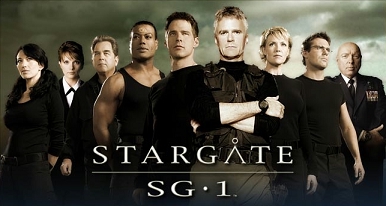
Guest Post: Recipe for a Hero—and Other Character Lessons from Stargate
When Samantha and I were tossing around the idea of a guest post for her blog, I mentioned that I’m a Stargate addict. Samantha then sheepishly confessed that she hadn’t seen it before. Once I picked myself up off the floor and scrambled back into my chair, I decided that I would use my guest post to convince her to “get in the gate.” **Note from Samantha: Janelle's enthusiasm convinced me to sign up for Netflix again just so I could watch SG1. Netflix should thank her.
I’ve been a Stargate fan for longer than I’ve been seriously pursuing a career as a fiction writer. Stargate SG1 was my “gateway drug” into science fiction. And I’m proud to say that I can find a Stargate reference in any moment in life. (In need of stress relief? Have you tried Kel’no’reem?) Besides arming me with a lifetime supply of jokes that only my fellow nerdmigos appreciate, my love of Stargate has taught me a few lessons that I apply to my writing.
Lesson No. 1: There’s a No-Fail Recipe for a Hero.
Take a tragic past, an innate sense of justice, and unwavering sense of duty; add a full stick of courage; let rise overnight. The result: One able-bodied hero not afraid to make incredible sacrifices for what he (or she!) believes is the right thing. Take, for example, a couple guys at the SGC:
Col. Jack O’Neill, U.S. Air Force. Played by Richard Dean Anderson (of McGyver fame), Jack O’Neill would make the perfect romance-novel hero. Coming from a traumatic past (his son died in a tragic accident and his marriage ended in divorce), O’Neill dedicates his every waking moment to fighting the Goa’uld. He’s also famous for those wry comments that only Anderson could deliver so perfectly:
O'Neill: “Just give me some kind of warning.”
Teal'c: “I'm going to shoot you.”
O'Neill: “I was thinking more along the lines of, ‘On 3.’”
Dr. Daniel Jackson (Michael Shanks). Daniel Jackson is the perfect foil to O’Neill, playing the moral compass on the team. He says, “Let’s talk it over,” every time O’Neill says, “We’re done talking” (usually followed by, “Set the timer on the C4.”). Shanks delivers the perfect blend of buff and bookworm. As the series progresses, his character evolves from ridiculed archeologist with allergies to a gun-wielding, kick-ass space explorer fit to battle any system lord. His knack for coming back from the dead certainly helps matters. ;)
Teal’c (Christopher Judge). The ultimate stoic, the shol-va (traitor), a Jaffa and former first prime to Apophis, Teal’c is the guy you want to have your back. He is a warrior first and foremost, but one cannot help but ponder what lies beneath that tough-as-nails exterior. I swear, one day I will wear a t-shirt with a pic of Christopher Judge that reads, “Team Teal’c.”
Edward Cullen might glitter, but he has nothing on the men at the SGC.
Lesson No. 2: Character dynamics create tension, conflict, and humor.
Characters with opposing motives, goals, and worldviews don’t just create snappy dialogue and conflict, fueling the fire of our plots; they also provide great comic fodder (often coming in handy for necessary comic relief scenes—it can’t be all doom-and-gloom).
In the SG1 spinoff Stargate Atlantis, the creators took the franchise on a different path. The members of the Atlantis team have far more tense relationships with each other. They don’t always do the right thing. In fact, they frequently do the wrong thing believing it is the right thing. Maj. John Sheppard (played by Joe Flanigan) is no exception. He and scientist/genius/egomaniac Rodney Mackay provide great character dynamics, resulting in anything from near-tragedy (as when Mackay blows up a solar system, nearly taking himself with it) to hilarity.
If you want a great laugh, I suggest the episode “Harmony.” Watching Sheppard and Mackay traipse through the wilderness with a spoiled pre-teen princess is an absolute riot. Mackay might lack Jackson’s sense of ethics, but he’s still a personal favorite. His one-liners also rock: “Don’t be so analog.” “Good thing I remember DOS.” And, on one occasion: “I’m not crazy; I just have another consciousness in my brain.” A big part of why those one-liners work so well is because of how Mackay relates—or rather, doesn’t relate—to his fellow team members.
Lesson No. 3: Writers always hurt the ones they love.
As much as we love our characters, if we want our readers to love them as well, we must make them suffer. The hero can’t be the hero if he’s just gliding through life, easily winning every battle, overcoming every obstacle, and not having to sacrifice. It’s not enough to fight hard, something must be relinquished, something with which the character would not part willingly. In the pilot of SG1 (**Newbies: Spoiler Alert**) Daniel Jackson’s wife is taken as a host by the Goa’uld. He joins the battle against the system lords in part to save her.
If our characters get everything they want, the story is missing that final piece. As I revise my WIPs, one point on my checklist is to make sure the characters don’t achieve their goals too easily. We can’t just chase our characters up a tree and throw pebbles. We have to hurl a couple boulders up there—maybe even set the tree on fire.
Are you a Stargate fan? Who’s your favorite character, and why? What have your favorite shows taught you about writing?
|
Tuesday, November 1, 2011
Guest Post: Doesn't Anyone Write Anything Original Anymore?
This week's guest post comes from Barry Crowther, author of Missing (A Matt Spears Mystery). It was originally posted on Barry's blog in August, where you can read more wonderfully insightful and entertaining posts.
Does Anyone Write Anything Original Anymore?
This post is a little rough around the edges, it’s Monday morning and I’m a little hungover. Go figure…
I have worked on more than eight or nine novels over the last twelve years. Can’t even remember how many short stories I’ve pumped out. The most successful of the gaggle has been ‘Missing’ a Matt Spears Mystery.
IMHO This is a novel that lacks any real originality but strangely enough people love more than their shiny new iPad2′s. (I was going to put first-born here but first-borns have lost their luster, iPad’s have far more cache these days!)
Why is this? Why is Missing loved by one and all, with the exception of a few who I like to consider ‘not my target audience’?
It’s hard for me to answer that, I’m too close to the subject. So Let’s look at a recent comment directed at this novel from a lovely well-wisher:
“I have Simply pointed out that you (no doubt unconsciously) copied the plot of The Girl With The Dragon Tattoo.”
The review was long winded and pretty boring but this remark, maybe it was off the cuff, really caught my attention. The comparison the commentator made was like some Jedi mind trick. Not because he was 100% wrong but because he seriously had a point. Let me expand below:
This guy was also not the last reviewer to see similarities between the two, yet real Dragon Tattoo fans seem to think they are both plot driven but very different novels in their tone. Missing has a lot of humor where Dragon Tattoo has very little (none in fact, or I couldn’t find any).
Here’s the kicker. I did not read The Girl with the Dragon Tattoo until I saw these reviews. I enjoyed it but there could have been no plot copying at all. I have not followed on the series either just in case some osmosis took place.
So how did this happen? Who knows, maybe a collective consciousness exists and we are all plugged into some matrix. I think I’m reaching here or my imagination is running riot. It is interesting though.
How many times have we come across a film or novel that we think has similarities or is blatant copying of other work? It happens. And there is this new phrase ‘the reimagining of’ like the Freddy Kruger franchise has recently been re-imagined, as has Halloween. How is this okay and straight out plagiarism not? The story is the same, the characters are the same, it’s just shot from a different angle with new actors. Seems to work though, both of the new re-imaginings have been well received.
Orson Welles said “It does not matter whether a work of art is fake or not. It matters whether it’s a good or bad fake.” I’m paraphrasing but I think I understand what he means.
Are Star Trek spin offs, prequels, origins, re-imaginings all just copies of a kind – fakes in other words? Maybe that’s the answer to my own question of how the ‘coincidences’ of Dragon Tattoo and Missing happened.
Nothing original is produced anymore because human nature points us in a direction (mystery genre, romance genre, sci-fi format, etc) … which ultimately means everything becomes the same, nature shapes it. And for some reason we love it that way.
Does Anyone Write Anything Original Anymore?
This post is a little rough around the edges, it’s Monday morning and I’m a little hungover. Go figure…
IMHO This is a novel that lacks any real originality but strangely enough people love more than their shiny new iPad2′s. (I was going to put first-born here but first-borns have lost their luster, iPad’s have far more cache these days!)
Why is this? Why is Missing loved by one and all, with the exception of a few who I like to consider ‘not my target audience’?
It’s hard for me to answer that, I’m too close to the subject. So Let’s look at a recent comment directed at this novel from a lovely well-wisher:
“I have Simply pointed out that you (no doubt unconsciously) copied the plot of The Girl With The Dragon Tattoo.”
The review was long winded and pretty boring but this remark, maybe it was off the cuff, really caught my attention. The comparison the commentator made was like some Jedi mind trick. Not because he was 100% wrong but because he seriously had a point. Let me expand below:
- Dragon Tattoo is a story centered around a missing girl. So is Missing (that seems a bit obvious from title).
- Dragon Tattoo has the hero Mikael Blomkvist tasked by the uncle of the missing girl to find her. Missing has the hero Matt Spears tasked by the uncle of the missing girl to find her also.
- In Dragon Tattoo the uncle is a wealthy industrialist, in Missing he is a blind gangster. Both are central and charismatic.
- Dragon Tattoo has the team of Blomkvist and Lisbeth Salander (who has the dragon tattoo) searching for the girl using their various skill sets. Missing has Spears and Nathan Draper (no tattoos) searching for the girl using their various skill sets.
- Blomkvist is a journalist. Spears is a debt collector. Salander is a computer hacker. Draper is a forensic accountant with considerable computer skills.
This guy was also not the last reviewer to see similarities between the two, yet real Dragon Tattoo fans seem to think they are both plot driven but very different novels in their tone. Missing has a lot of humor where Dragon Tattoo has very little (none in fact, or I couldn’t find any).
Here’s the kicker. I did not read The Girl with the Dragon Tattoo until I saw these reviews. I enjoyed it but there could have been no plot copying at all. I have not followed on the series either just in case some osmosis took place.
So how did this happen? Who knows, maybe a collective consciousness exists and we are all plugged into some matrix. I think I’m reaching here or my imagination is running riot. It is interesting though.
How many times have we come across a film or novel that we think has similarities or is blatant copying of other work? It happens. And there is this new phrase ‘the reimagining of’ like the Freddy Kruger franchise has recently been re-imagined, as has Halloween. How is this okay and straight out plagiarism not? The story is the same, the characters are the same, it’s just shot from a different angle with new actors. Seems to work though, both of the new re-imaginings have been well received.
Orson Welles said “It does not matter whether a work of art is fake or not. It matters whether it’s a good or bad fake.” I’m paraphrasing but I think I understand what he means.
Are Star Trek spin offs, prequels, origins, re-imaginings all just copies of a kind – fakes in other words? Maybe that’s the answer to my own question of how the ‘coincidences’ of Dragon Tattoo and Missing happened.
Nothing original is produced anymore because human nature points us in a direction (mystery genre, romance genre, sci-fi format, etc) … which ultimately means everything becomes the same, nature shapes it. And for some reason we love it that way.
|
Monday, October 3, 2011
History Is Fantasy
History Is Fantasy
Hi Samantha’s blog people! Nice to meet you! When Samantha asked me to write a guest post for her blog she added, “… my blog is mostly about fantasy” at the end of her request. And I thought to myself, what better crossover could there be between Fantasy and Historical Romance than my subject of choice, Medieval History? Because there was a time (called the Middle Ages) when they were in essence one and the same.
Every Monday on my blog is Medieval Monday, and if you’ve ever read any of those posts then you know that I am a champion of the Medieval Peasant. Peasants made up 90% of the population of the Medieval world. They were simple, industrious, uneducated, and fun-loving. Most peasants never traveled more than 25 miles away from home in their lives. They believed devoutly in the mysteries of the Medieval Church with a home-grown taste of “the old ways” thrown in. So what do you get when your world is populated by uneducated people with vivid imaginations fueled by superstition who never venture far from home? You get dragons, fairies, and magic.
Yep, what we now call Fantasy was, in fact, a unique kind of reality to the average man and woman of the Middle Ages. Without the benefit of modern science, fantasy was the best explanation for anything that didn’t make sense in the world. Your average Medieval peasant would have heard stories of strange animals in remote foreign lands brought back by crusaders, pilgrims, and an occasional trader. Without pictures to show then they would have relied on their imaginations and local creatures to fill in the blanks.
![]() |
| A friend drew this. Isn't she talented? |
So did fairies, sprites, elves, and other intelligent creatures associated with the land. They were responsible for good and bad luck, for crops failing or thriving, for items going missing and things suddenly appearing just when they were needed. I’ve always been fascinated by the concept of the Changeling Child. These poor kids probably had some kind of psychological disorder, autism or ADD or something along those lines. But in a world that didn’t know what autism was the only viable explanation was that the fairies put a spell on them or a bad spirit stole their soul or they were possessed. The fairy folk and their mischievous ways were the most real explanations these people had.
Of course, people could also use this to their advantage. One of my favorite stories of “possession” in the Middle Ages is the oft-used excuse some girls had for mysteriously getting pregnant. A perfectly good girl with a sterling reputation who would never dream of committing a sin could actually get away with using the excuse that a spirit of some sort lay with her during the night and that she was in no way responsible for the outcome. And people bought it. Well, I’m sure someone knew the truth when those stories were concocted, but many a reputation was saved by believing in the fantasy element.
There were, of course, more mundane aspects to what we think of in the genre of Fantasy that were par for the course in the Middle Ages. Kings and Queens, Knights and Ladies, Castles and crusades were normal, everyday occurrences. The hierarchy of everyday things, masters and servants, was just the way things were. Social roles were much more clearly defined. At the same time, there were a select, lauded few who managed to cross social lines to make a name for themselves. There were peasants who earned enough money to buy or marry into the nobility. And there were nobles who went off to battle in far-away lands against people who were so foreign to folks who never left home that any small difference could be exploited to make them seem monstrous. Medieval Europeans didn’t think very highly of Muslim, for example. And just like those wily crocodiles who were imagined into being dragons by peasants hundreds of miles away, the dark-skinned, dark-eyed Arabic people with their strange ways and languages could have been fantasized into being any sort of demon. The brave men who went off to fight them in their shining armor would have been heroes beyond imagining.
So really there isn’t much difference between the facts of Medieval history and the imagination of Fantasy. It’s all in how you perceive the strange world around you. Personally, I think a lot is lost by our modern society that has a scientific answer for everything. It’s so much more invigorating to imagine and to dream.
Thanks for having me over for a visit! I hope to see you again soon.
All About Merry |
Tuesday, September 20, 2011
Guest Post: Why Epic Fantasy is Like Shakespeare
Today we have a guest post from the lovely and talented Rhiannon Paille.
Why Epic Fantasy is Like Shakespeare
The same reason some of us don’t understand Shakespeare is the same reason that some of us don’t understand Epic Fantasy.
It’s not written the way people talk.
It’s not about making references to guns instead of swords (a la Romeo and Juliet 1996, loved how the guns had the brand name of “Sword”) or cell phones instead of telegrams it’s something else entirely.
It’s all the little words. Today when a boy is hot we just say he’s hot. We don’t go on about how he’s pulchritudinous (which to me doesn’t sound hot at all), or bounteous or becoming. These days we’d say he was attractive, stunning, hot, amazing, beautiful, pretty.
Shakespeare would have gone on and on about a girl’s beauty by comparing her to flowers and the moon and everything else under the sun that’s pretty. And then he’d insult a man by saying he was as pink as a flower (meaning he was gay) and that’s where some of us get lost. We miss the jokes and the snarky comments and the things that make books written in modern language so popular.
When a book is written in modern language, we get it.
When we’re trying to remember what carom, wan, cinch, tarry, esker, roil, etc. etc. means, it stops us from envisioning what’s actually going on in the scene. It’s hard to follow a story when we’re all getting caught up in the words we’ve never heard of before.
And then there’s the conundrum that a lot of the popular Epic Fantasy was written 70-80 years ago. J.R.R.
Tolkien and C.S. Lewis being the biggest examples of that, one day they are going to be the new Shakespeare. Can you imagine the day J.K. Rowling becomes Shakespeare? (You know, when Harry Potter has been around for 80 or 100 years?)
I’ve been the queen of the thesaurus this past year, writing down interesting words I don’t recognize in books and then looking them up. I actively expand my vocabulary, but there’s always room for more growth. I think it’s fun to read epic fantasy for the words, the quests, the adventures, the demons and it gives me a glimpse into the past that I can only get from these books.
When it came to my books, which are epic fantasy, but end up being historical fantasy and later urban fantasy all the while being paranormal romance, I had to choose my words carefully. I chose to write as modern as I could, without removing anything that’s really cool about the land, the characters and the storyline. With any luck, my epic fantasy won’t be difficult to decode. ;)
How about you? What was the last epic fantasy book you read? Did you get it?
| Doesn't he look a bit like Dracula? |
The same reason some of us don’t understand Shakespeare is the same reason that some of us don’t understand Epic Fantasy.
It’s not written the way people talk.
It’s not about making references to guns instead of swords (a la Romeo and Juliet 1996, loved how the guns had the brand name of “Sword”) or cell phones instead of telegrams it’s something else entirely.
It’s all the little words. Today when a boy is hot we just say he’s hot. We don’t go on about how he’s pulchritudinous (which to me doesn’t sound hot at all), or bounteous or becoming. These days we’d say he was attractive, stunning, hot, amazing, beautiful, pretty.
Shakespeare would have gone on and on about a girl’s beauty by comparing her to flowers and the moon and everything else under the sun that’s pretty. And then he’d insult a man by saying he was as pink as a flower (meaning he was gay) and that’s where some of us get lost. We miss the jokes and the snarky comments and the things that make books written in modern language so popular.
When a book is written in modern language, we get it.
When we’re trying to remember what carom, wan, cinch, tarry, esker, roil, etc. etc. means, it stops us from envisioning what’s actually going on in the scene. It’s hard to follow a story when we’re all getting caught up in the words we’ve never heard of before.
And then there’s the conundrum that a lot of the popular Epic Fantasy was written 70-80 years ago. J.R.R.
I’ve been the queen of the thesaurus this past year, writing down interesting words I don’t recognize in books and then looking them up. I actively expand my vocabulary, but there’s always room for more growth. I think it’s fun to read epic fantasy for the words, the quests, the adventures, the demons and it gives me a glimpse into the past that I can only get from these books.
When it came to my books, which are epic fantasy, but end up being historical fantasy and later urban fantasy all the while being paranormal romance, I had to choose my words carefully. I chose to write as modern as I could, without removing anything that’s really cool about the land, the characters and the storyline. With any luck, my epic fantasy won’t be difficult to decode. ;)
How about you? What was the last epic fantasy book you read? Did you get it?
Rhi was never a normal girl. She tried, but she couldn’t get rid of the visions, the voices in her head, and the hallucinations. When she was on the edge of crazy someone pulled her back and explained it all. She wasn’t insane. She was psychic, really psychic, too psychic. Her life was an urban fantasy wrapped in a paranormal romance and served with a side of horror. To escape her everyday weirdness she began writing fantasy. She frequents twitter and facebook, but if you really want to get to know her you should visit her site: www.rhiannonpaille.com . Her book Flame of Surrender (The Ferryman and The Flame #1) comes out November 1st, 2011. Check it out here: http://www.goodreads.com/book/show/11841693-flame-of-surrender |
Subscribe to:
Posts (Atom)